Kritharaki: Greece's orzo
Kritharaki is the small pasta Greeks eat more of than any other, and it is the reason a Greek kitchen can produce something that looks like risotto without a grain of rice.
Pasta shaped like barley
The name means little barley, which is exactly what it looks like. Italians call the same shape orzo, which also means barley, so two countries independently agreed on the joke. It comes in several sizes, and the larger ones hold their shape far better in a long bake.
What makes it useful is surface area. Kritharaki releases starch the way arborio rice does, which means it can thicken its own sauce instead of sitting in one.
Giouvetsi, the Sunday version
The classic dish is giouvetsi: meat, usually beef or lamb, slow-baked in tomato, with the pasta added partway through so it finishes in the meat juices. It takes its name from the clay pot it was traditionally cooked in.
The trick everyone gets wrong at home is liquid. The pasta will drink far more than you expect, and a giouvetsi that looked soupy going into the oven is usually correct coming out.
Kritharoto, the modern one
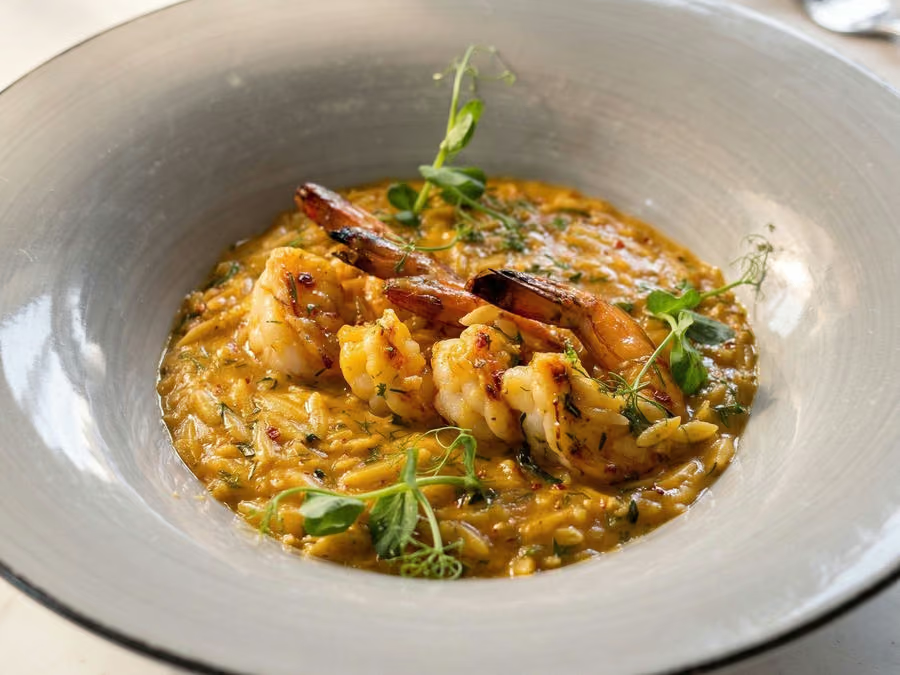
Somewhere in the last twenty years Greek chefs started cooking kritharaki the way Italians cook risotto: adding stock a ladle at a time, stirring, finishing with butter or cheese. The result is called kritharoto and it has become a fixture on contemporary menus.
It suits seafood particularly well, because the starch carries the flavour of the shellfish stock without needing cream. Ours is on the menu with shrimps, sweet wine and Cretan gruyere.
Cooking it at home
Toast the pasta in oil first, the way you would with risotto rice, until it smells nutty. Use hot stock rather than water, add it gradually, and stop while there is still a little liquid left because it will keep absorbing off the heat.
Season at the end. Stock reduces, cheese is salty, and a kritharoto that tasted right halfway through will usually be over-salted by the time it lands.
What to drink with it
With seafood, a white with real acidity. With giouvetsi and its tomato and meat, a red with structure. Both are covered in our note on Greek wine, and if you want to taste the seafood version in its intended order, it sits inside the tasting menu sequence.
One last practical point: kritharaki is the cheapest thing in this article and, cooked properly, one of the best. That is a fairly Greek idea in itself.
Which size to buy
Greek packets are usually numbered. The small sizes cook fast and suit soups, particularly the chicken soup given to anyone unwell. The medium is the everyday one. The largest holds up to an hour in the oven and is what a giouvetsi wants.
If you can only find one type abroad, buy the largest orzo available and give it a shorter cook than the packet suggests. Undercooked kritharaki keeps improving in the sauce; overcooked kritharaki cannot be rescued by anything.
If you are buying it to take home, read the ingredients. Good kritharaki is durum wheat semolina and water and nothing else; the versions with added egg behave differently and belong to other dishes. A packet costs almost nothing, keeps for a year in a cupboard, and turns a plain evening into something that tastes like this island.