Slow-cooked Greek lamb, explained
Slow cooked Greek lamb begins with a problem, not a recipe. The meat that shepherds could spare was the meat that needed the most time, and the island answer was to give it exactly that.
Kleftiko, and the bandits who named it
The dish most people mean is kleftiko, which translates roughly as stolen. The klephts were mountain fighters and, depending on the century, outlaws. The story that survives is that they cooked in sealed pits so that neither smoke nor smell would give away a camp.
Whether or not every detail is true, the technique it describes is real: meat, herbs and a little liquid, closed tight, left alone for hours. Greek grandmothers reproduced it by sealing a clay pot with dough, and the food improves for exactly the same reason.
Why long heat works
The cuts that take time are the ones that worked hardest: shoulder, shank, neck. They are full of connective tissue, which is tough at a steak's cooking time and becomes gelatine when held at a gentle temperature for long enough.
That gelatine is the whole point. It is what makes slow-cooked lamb feel rich in the mouth without being fatty, and what lets a sauce cling instead of sliding off. Rushing the same cut at a higher heat just squeezes the water out and leaves the fibres tight.
The herbs are not decoration
Oregano, thyme, bay and garlic are in almost every version, and they behave differently under a lid than they do over a flame. In a sealed pot the aromatics steam into the meat rather than burning off, which is why a kleftiko smells of hillside when you open it.
Lemon does the other half of the work. Acidity keeps a long-cooked plate from tasting heavy, which matters more in an Aegean August than it does in a mountain winter.
The modern version
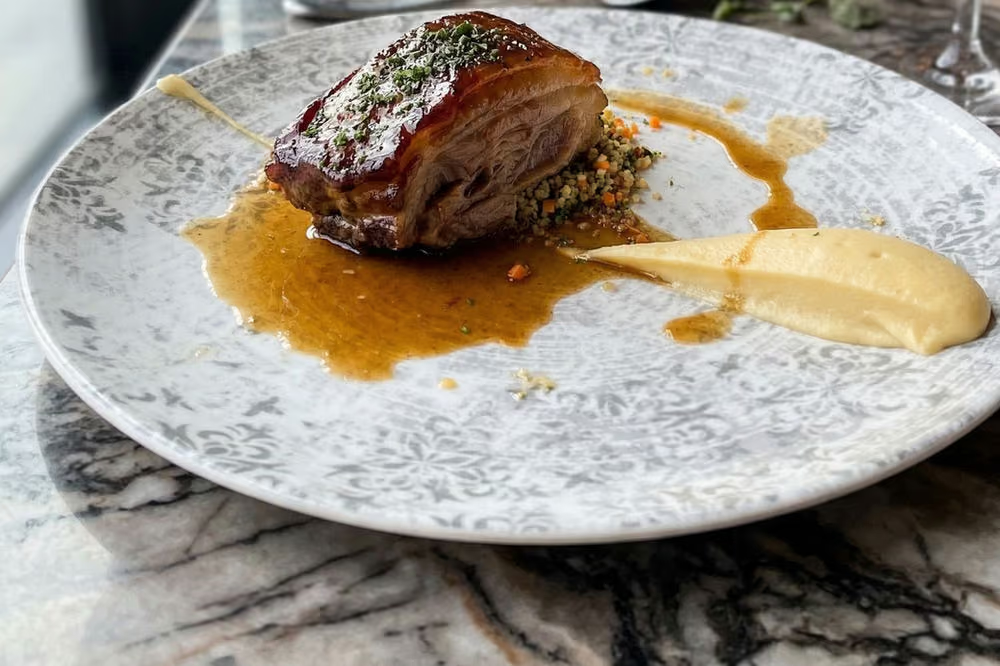
Contemporary Greek kitchens keep the principle and change the tools: low heat, tight control, more hours rather than fewer. Our own menu carries a twelve-hour lamb, and it also appears in the six-course tasting menu, which is the version most guests meet first.
The name is literal. The number is not there to impress anyone, it is simply how long the cut needs before it behaves the way the dish requires.
Which cut to ask for
Shoulder is the safest answer. It carries enough fat and connective tissue to survive a long cook and stay generous, and it forgives an extra hour better than anything else on the animal.
Shank gives you the most gelatine and the most dramatic plate, one bone standing in the middle of the table. Leg is leaner and prized for roasting, but it dries out if you treat it like shoulder. Neck is the cheapest and, cooked long enough, quietly the best of them.
What to drink with it
Something with structure and acidity rather than weight. Xinomavro from the north is the classic Greek answer, and an older Agiorgitiko works if you want less grip. Our note on Greek wine covers both in a paragraph each.
If you are cooking it at home, the practical advice is dull and reliable: buy shoulder on the bone, use less liquid than you think, seal it properly, and start earlier than feels reasonable.
One more thing worth knowing. Lamb in Greece is seasonal in a way that beef is not: spring animals are milder and leaner, autumn ones fuller and fattier, and a kitchen that pays attention cooks them differently. If a dish tastes different in September from the way it tasted in May, that is usually the reason rather than the recipe.